We use essential cookies to keep this site working — your cart, your accessibility settings, your preferences. We don’t use tracking or advertising cookies. Read our Cookie Policy.



Fatima Kara
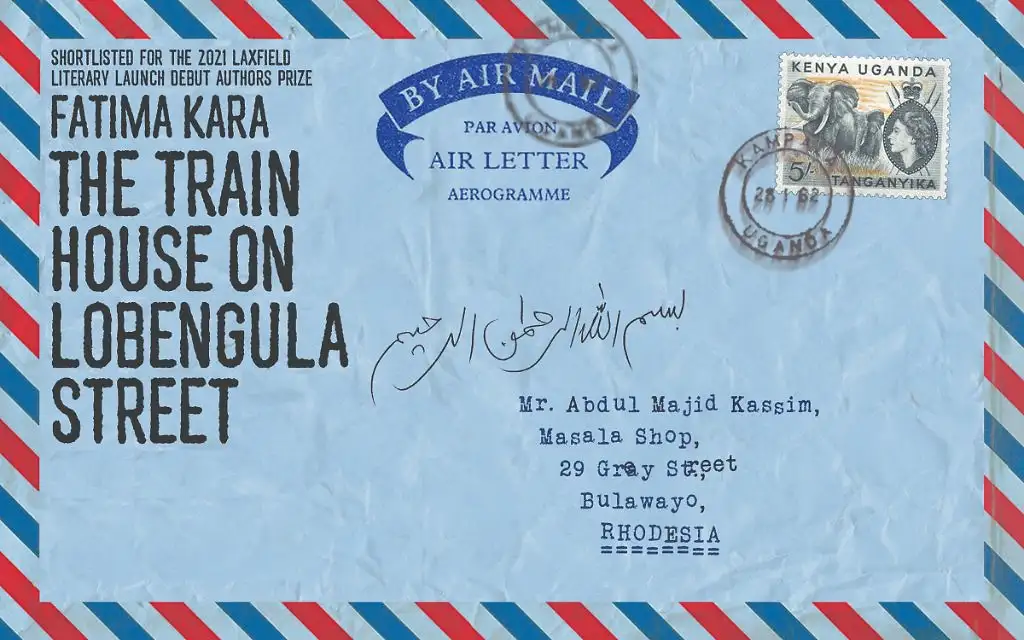
A Zimbabwean writer of Indian-Gujarati heritage, Fatima Kara is best known for her debut novel The Train House on Lobengula Street, published by Envelope Books in 2023. She was born and raised in Bulawayo, in the Indian community there, and now lives in the United States while maintaining close connections with Zimbabwe. She has an MFA from Spalding University in Kentucky.
Her book was shortlisted for the UK’s Laxfield Literary Launch Prize and subsequently won the Outstanding First Creative Published Work at Zimbabwe’s 2024 National Arts Merit Awards (NAMA).When not writing, she propagates fruit and nut trees, and plants them in schools and rural communities around Zimbabwe.
Background
As a third-generation Zimbabwean, Fatima spent her childhood listening to the conversations and stories of adults in the city’s Indian community. She has said that she was effectively “born into stories” and that the gossip, jokes and scandals she heard as a child remained with her until she began writing them down. It is from that background of memories that she draws in writing about the Indian community in Bulawayo in the 1950s and 1960s.
Kara has pointed out that Indians occupied an awkward position in the colonial racial hierarchy. They were not subject to quite the same restrictions as black Africans but neither were they admitted to the privileges enjoyed by Whites. Her fiction therefore examines the complicated position of an Indian family that is simultaneously privileged relative to Africans and discriminated against by the ruling class, and sits at the intersection of colonialism, race, Islam, caste, arranged marriage, women’s education and the emergence of a specifically Zimbabwean identity.