We use essential cookies to keep this site working — your cart, your accessibility settings, your preferences. We don’t use tracking or advertising cookies. Read our Cookie Policy.

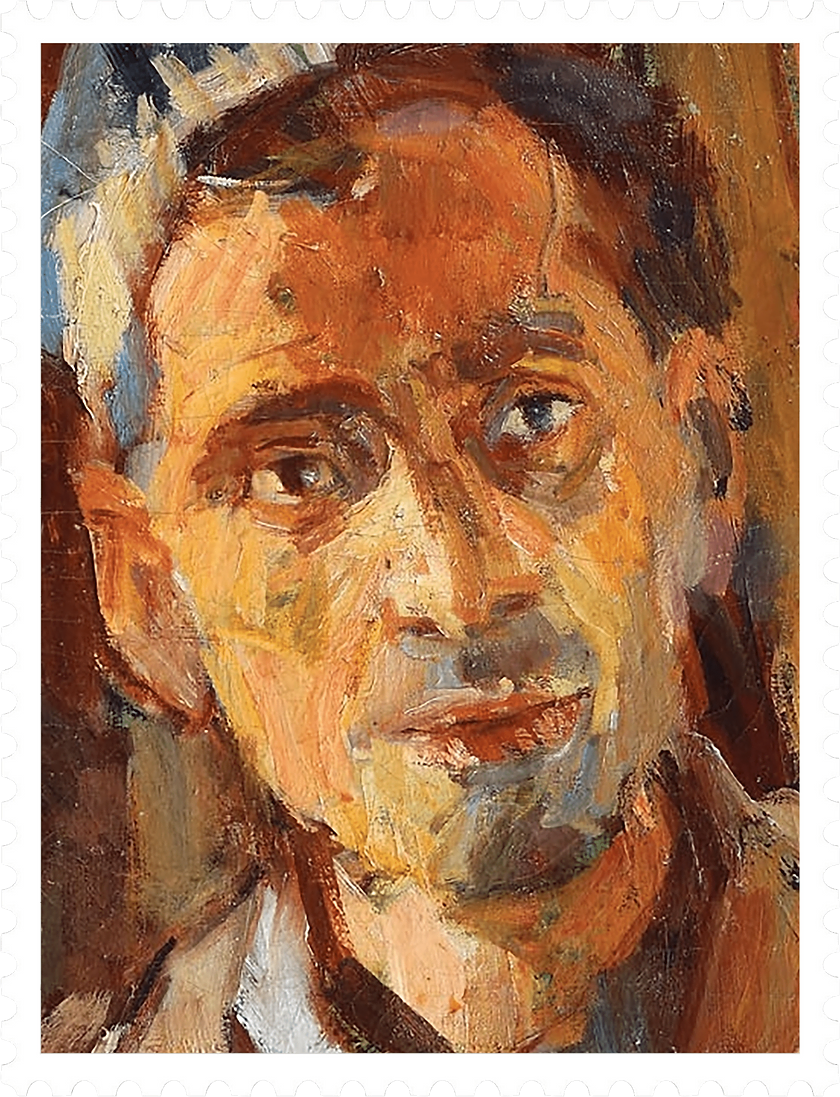
More about this author
muse.jhu.edu/pub/427/article/884919
George Tomaziu
An artist whose life was repeatedly overtaken by history, George Tomaziu was born in Romania in 1915. He came of age in the cosmopolitan world of interwar Europe, studying art in Bucharest and Paris and moving among the literary and artistic circles of the time. His godfather was the composer George Enescu. In 1938 he worked in the Paris studio of André Lhote. He was an unconventional young man: restless, cultivated and bisexual, with an instinct for the bohemian life.
Background
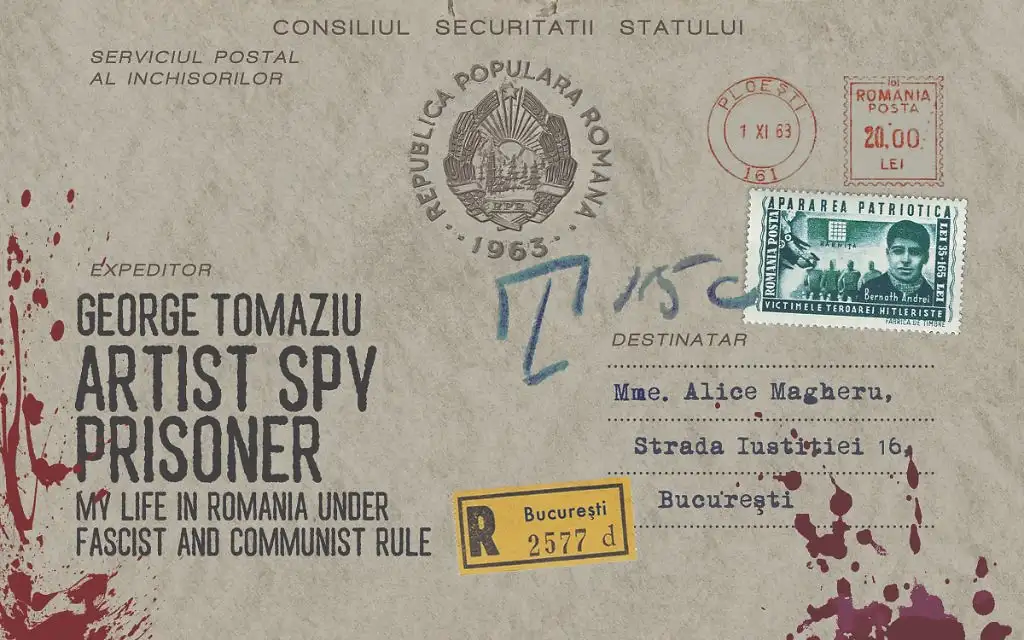
The Second World War drew him into a very different world. While continuing to work as an artist, Tomaziu became involved in anti-Nazi activity and passed information to British intelligence about German military movements. Arrested by the Romanian authorities in 1944, he was interrogated and beaten. The end of the war brought no lasting security. After the establishment of the Communist regime, his connections with Britain were used against him: arrested again in 1950 and convicted of espionage, he spent thirteen years in Romanian prisons, including the notorious prisons of Aiud and Jilava.
Released in 1963, Tomaziu remained under surveillance and pressure until, in 1969, he was finally allowed to leave Romania. With the help of the British Embassy and British friends, he settled in Paris, where he resumed his life as a painter and began to write about the extraordinary events through which he had lived.
His memoir, written in French and eventually published after his death in 1990, is remarkable partly because of the modesty of its original title: Figurant d’époque. In it, Tomaziu might well have cast himself as a hero: he had risked his life in wartime espionage, survived torture and endured more than a decade of political imprisonment. Instead, he presents himself as a witness to terrible political forces.
That perspective gives his story its particular power. Tomaziu’s life crossed the great dividing lines of twentieth-century Europe—fascism and communism, Romania and the West, freedom and imprisonment, artistic independence and political coercion. Yet he writes not as a grand historical figure but as an intelligent, observant outsider, interested as much in the texture of ordinary life as in the events that transformed it.
The result is both a historical document and a portrait of an unusually complicated man: artist and spy, prisoner and exile, participant and observer. Tomaziu’s story is ultimately less about heroism than about survival—and about the stubborn persistence of an artistic and personal identity through regimes determined to control both.
More about this author
muse.jhu.edu/pub/427/article/884919