We use essential cookies to keep this site working — your cart, your accessibility settings, your preferences. We don’t use tracking or advertising cookies. Read our Cookie Policy.


Author's website
www.gaystreetchronicles.co.uk/about/More about this author
pageturnerawards.com/users/william-keeling
William Keeling
A former Financial Times foreign correspondent, William Keeling’s reporting exposed a multibillion-dollar corruption scandal in Nigeria and led to his deportation. He later left journalism and became co-owner of the historic chocolate company Prestat. He now lives and writes in Somerset.
Background
William Keeling is a British writer whose literary career followed a long and unconventional professional life in journalism and business. He was a foreign correspondent for the Financial Times and became prominent in 1992 when his reporting exposed a multi-billion-dollar corruption scandal involving the Nigerian government.
The Nigerian episode is important to an understanding of Keeling. His journalism placed him in close contact with the political and commercial realities of West Africa, while his subsequent departure from journalism left him with an unusual relationship to the world of public affairs. His fiction is not journalistic, however. Instead, it is deliberately comic, theatrical and fantastical, drawing on the traditions of the English comic novel.
There is a considerable gap between Keeling’s earlier career and his present literary persona. The foreign correspondent who investigated corruption in Nigeria was operating in a world of political danger, money and institutional power; the novelist has subsequently constructed an imaginary Bath populated by eccentrics, reformers, social misfits and comic villains. Yet the connection is less remote than it might appear. Both journalism and comedy involve observing the behaviour of people and institutions and exposing the discrepancy between public appearance and private reality.
Keeling is an unusual novelist in that he came to fiction relatively late, after a substantial career in which he had already encountered politics, international business and personal risk at close quarters. His books do not attempt to reproduce that experience directly. Instead, they represent a comic transformation of it: corruption becomes farce, social hypocrisy becomes satire, and the moral questions of the present are played out against the elaborate manners of the past.
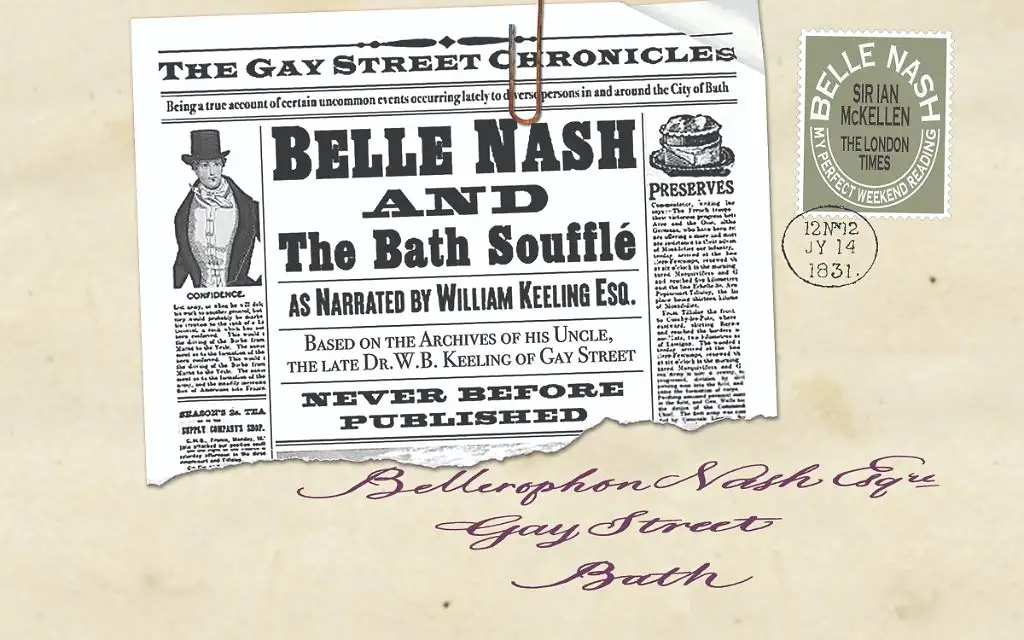
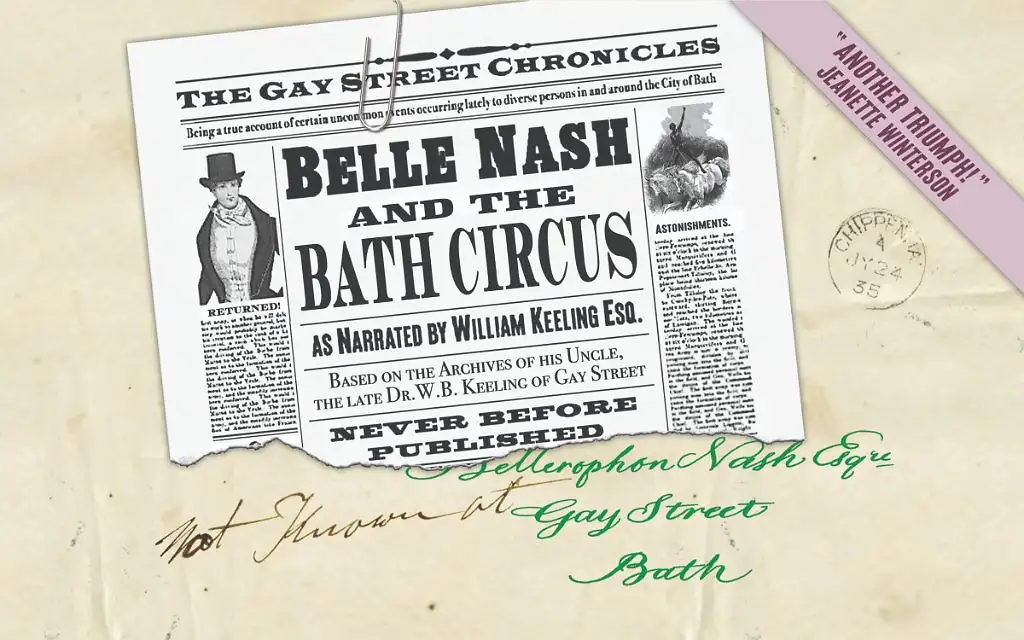
The Gay Street Chronicles are consequently best regarded neither as straightforward historical fiction nor as conventional comedy. They occupy a territory between Wodehousian farce, social satire, historical romance and the modern comic novel, with an explicitly liberal and egalitarian moral outlook. The combination is distinctive, and Keeling’s professional history gives the work an unusual background: beneath the apparent frivolity is a writer who has spent much of his life observing the exercise—and abuse—of power.
Author's website
www.gaystreetchronicles.co.uk/about/More about this author
pageturnerawards.com/users/william-keeling